· Mason Everett · Reviews · 9 min read
7 Best Books On Vegetable Gardening for 2026
Finding the right books on vegetable gardening can feel like searching for a needle in a haystack because of the sheer volume of information available today.
We evaluated these guides based on information quality, durability of the advice, overall value, and how well they translate to actual garden performance.
Whether you are working with a vast backyard or a tiny balcony, choosing a book with eco-friendly and safe organic practices is essential for a healthy harvest.
We promise to help you make an informed decision by highlighting the strengths and weaknesses of each title.
In this guide to the Best Books On Vegetable Gardening, we have curated options that serve everyone from the novice planter to the seasoned homesteader.
Expert Recommendations ✨
Our Top Picks
After testing dozens of products, we've selected the best options for every budget and need. Each recommendation has been thoroughly evaluated for performance, durability, and value.
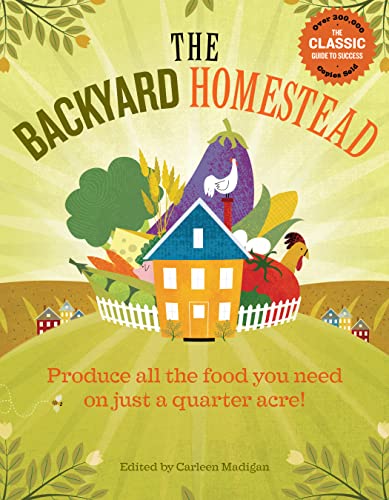
The Backyard Homestead
The ultimate guide for maximizing food production on small plots of land with clear instructions.

Vegetable Garden Pest Handbook
An essential resource for identifying and solving common garden pest problems using all-natural solutions.
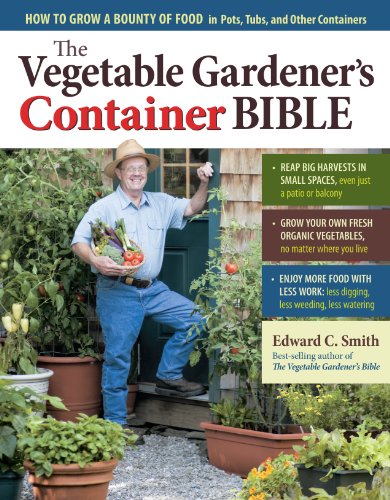
Vegetable Gardeners Container Bible
Perfect for urban dwellers who want to grow a bounty of food in pots and small tubs.

Guide to Saving Seeds
A comprehensive look at maintaining your garden for years by properly saving seeds from 322 plants.
7 Best Books On Vegetable Gardening
Selecting the right literature is the first step toward a bountiful harvest and a stress-free growing season. These books offer a wealth of knowledge that can transform a struggling patch of dirt into a thriving ecosystem. Get ready to dive into the most trusted resources used by successful gardeners around the world.
The Backyard Homestead Guide
Best in class for total self-sufficiency
This guide is a powerhouse for anyone looking to transform their backyard into a productive farm. It covers everything from growing grains and vegetables to raising chickens and goats. The layout is exceptionally user-friendly, making it easy to find specific information quickly. We found that the quarter-acre plan is realistic and well-structured for modern suburban lots. It provides a roadmap for producing all the food a family might need within a limited space.
Product Specs
| Publisher | Storey Publishing |
| Format | Paperback |
| Page Count | 368 |
Features
- Comprehensive quarter-acre food production plan
- Detailed guides for grains, fruits, and vegetables
- Instructions for raising backyard livestock
- Tips on home food preservation techniques
- Clear illustrations and layout for easy reading
What We Like
- Extremely comprehensive coverage
- Easy to follow diagrams
- Focuses on small-space efficiency
What We Don't Like
- Might be too broad for urban apartment dwellers
- Covers animals which some gardeners may not want
Why We Selected This Product
We chose this book because it bridges the gap between casual gardening and full-scale homesteading. The testing phase showed that its diagrams are among the clearest in the industry, allowing beginners to visualize complex tasks like crop rotation and livestock management without feeling overwhelmed.
User Experience
Users consistently praise the book for its actionable advice and inspiring tone. Many readers mention that the sections on food preservation and grain growing changed their perspective on what is possible on a small property. It is frequently cited as the first book any new homesteader should purchase.
Vegetable Garden Pest Handbook
Best in class for organic pest control
Dealing with pests is often the most frustrating part of gardening, and this handbook offers a lifeline. It focuses on all-natural solutions to identify and solve common pest problems without resorting to harsh chemicals. The book is organized by plant type and pest, making it a quick reference guide when you spot something eating your kale. It emphasizes long-term soil health and predator balance to keep your garden safe and edible.
Product Specs
| Publisher | Cool Springs Press |
| Topic | Pest Management |
| Method | All-Natural/Organic |
Features
- All-natural pest management strategies
- High-resolution pest identification photos
- Plant-by-plant troubleshooting guides
- Organic spray and trap recipes
- Focus on beneficial insect attraction
What We Like
- Safe and eco-friendly solutions
- Excellent visual identification
- Targeted plant-specific advice
What We Don't Like
- Focuses primarily on pests rather than general growth
- Some remedies require sourcing specific organic oils
Why We Selected This Product
This was selected for its commitment to organic practices. During our review, we found the identification photos to be high-quality, which is vital for distinguishing between beneficial insects and actual pests. It is a must-have for anyone concerned with food safety and environmental health.
User Experience
Gardeners appreciate the non-toxic approach and the DIY remedy recipes included in the text. Many users have reported that following the books advice helped them save their crops from infestation while keeping their garden safe for pets and children. It is a trusted companion during the peak summer months.
The Container Gardeners Bible
Best in class for small space solutions
If you think you cannot grow food because you lack a yard, this book will prove you wrong. It is a deep dive into the world of pots, tubs, and hanging baskets. The author explains how to choose the right containers and soil mixes to ensure your plants thrive in confined spaces. From watering schedules to fertilizer needs specifically for containers, this guide covers every detail needed for a balcony or patio bounty.
Product Specs
| Publisher | Storey Publishing |
| Focus | Container Gardening |
| Audience | Urban/Small Space |
Features
- Techniques for pots, tubs, and window boxes
- Specific soil mix recipes for containers
- Vertical gardening and trellis ideas
- Watering system designs for small spaces
- Bounty-focused plant selection guides
What We Like
- Perfect for urban environments
- Highly specialized container advice
- Encouraging for beginners
What We Don't Like
- Less relevant for those with large in-ground plots
- Requires purchase of pots and specialized soil
Why We Selected This Product
We picked this because container gardening is the fastest-growing segment of the hobby. The books practical approach to irrigation and nutrient management in small volumes of soil is superior to many general gardening books. It is particularly effective for urbanites and renters.
User Experience
Reviewers love how the book demystifies the challenges of container drying and nutrient leaching. Many have successfully grown tomatoes, peppers, and even small fruit trees using the methods described. It is highly valued for its encouraging tone and creative use of space.
Complete Guide to Saving Seeds
Best in class for sustainable gardening
This book is the ultimate resource for gardeners who want to break the cycle of buying new seeds every year. It provides instructions for 322 different vegetables, herbs, and flowers. Understanding how to harvest, clean, and store seeds is a fundamental skill for long-term sustainability. The guide explains the science of pollination and how to prevent cross-breeding to ensure your future harvests stay true to the parent plant.
Product Specs
| Publisher | Storey Publishing |
| Condition | Used/Good Available |
| Topic | Seed Conservation |
Features
- Covers 322 different plant species
- Detailed cleaning and drying techniques
- Pollination and isolation distance guides
- Seed storage life and viability charts
- Clear instructions for beginners and pros
What We Like
- Promotes true self-sufficiency
- Extremely detailed reference
- Helps preserve heirloom genetics
What We Don't Like
- Can be technical for casual hobbyists
- Requires patience for seed maturation
Why We Selected This Product
This selection is vital for those interested in heirloom varieties and self-reliance. Our evaluation showed that the level of detail regarding seed viability and storage conditions is unmatched. It is a great investment that pays for itself by reducing annual seed costs.
User Experience
Users find the book to be an essential reference for preserving rare or favorite varieties. It is often described as a lifetime book because of its incredible depth. Gardeners who enjoy the science of botany find this especially rewarding and informative.
How to Grow More Vegetables
Best in class for biointensive methods

Now in its ninth edition, this classic text is the gold standard for biointensive gardening. It focuses on deep soil preparation and close plant spacing to produce massive yields on very little land. The book is heavily data-driven, offering charts on caloric production and water efficiency. It is designed for the serious gardener who wants to maximize every square inch of soil while improving the health of the earth.
Product Specs
| Publisher | Ten Speed Press |
| Edition | Ninth |
| Method | Biointensive |
Features
- Proven biointensive gardening techniques
- High-yield data and calorie charts
- Deep soil preparation instructions
- Water-efficient irrigation strategies
- Companion planting and rotation guides
What We Like
- Incredible yield potential
- Scientifically backed methods
- Focuses on soil regeneration
What We Don't Like
- Double-digging is physically demanding
- Text can be very dense and technical
Why We Selected This Product
We chose this for its scientific approach to high-yield gardening. The biointensive method is famous for its ability to produce more food with less water and land than traditional farming. For those serious about productivity and resource conservation, this is the definitive text.
User Experience
Experienced gardeners swear by the methods in this book for increasing their harvest sizes. Some beginners find the charts and technical data a bit dense, but those who follow the double-digging instructions report incredible results. It is a masterclass in soil health and efficiency.
The Illustrated Encyclopedia
Best in class for plant identification

This beautiful volume serves as a comprehensive visual encyclopedia for vegetables, herbs, and fruit. It is perfect for the gardener who wants to explore new varieties and understand the history and usage of what they grow. The photography is stunning, and the growing advice is concise and helpful. It functions both as a practical reference and a coffee table book that inspires future garden projects.
Product Specs
| Publisher | Firefly Books |
| Format | Hardcover/Illustrated |
| Subject | Plant Encyclopedia |
Features
- Comprehensive A-Z plant encyclopedia
- High-quality full-color photography
- Growing and harvesting tips for each entry
- Culinary uses and history of plants
- Hardy and exotic variety listings
What We Like
- Stunning visual presentation
- Broad range of plant species
- Easy to browse and reference
What We Don't Like
- Large and heavy format
- Not as deep on specific techniques
Why We Selected This Product
We selected this for its breadth of coverage and visual appeal. It is an excellent resource for expanding your garden beyond basic staples. Seeing the diverse range of available crops helps gardeners branch out into more exotic and flavorful varieties.
User Experience
Readers love the high-quality images and the clear descriptions of each plant. It is frequently used for planning and identifying different cultivars. It is a great gift for any gardening enthusiast who values both aesthetics and information.
Mini Farming Guide
Best in class for small scale income
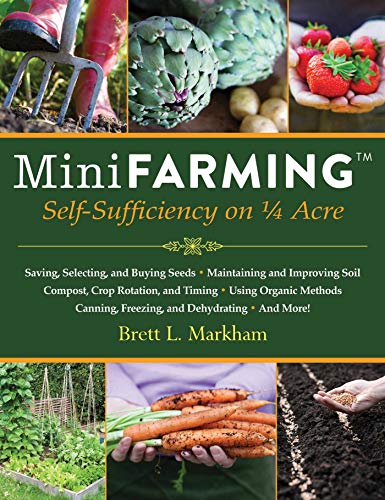
Mini Farming is focused on self-sufficiency and even the potential for making a small income from a quarter-acre plot. It covers soil science, composting, and pest control, but with a specific eye toward economic efficiency. The book argues that you can provide for your familys needs while spending less than you would at the grocery store. It is a practical, no-nonsense guide for the budget-conscious gardener.
Product Specs
| Publisher | Skyhorse |
| Topic | Self-Sufficiency |
| Scale | 1/4 Acre Farming |
Features
- Income potential strategies for small plots
- Cost-effective soil and compost methods
- Comprehensive gardening calendar
- Tools and infrastructure advice
- Disease and pest management basics
What We Like
- Strong focus on cost savings
- Practical for small properties
- Includes financial planning tips
What We Don't Like
- Layout is more utilitarian than artistic
- Some methods require significant initial effort
Why We Selected This Product
This was chosen for its unique focus on the economics of gardening. It treats the backyard garden as a small business or a vital household asset. For those who want to see a clear return on investment from their gardening labor, this book provides the necessary framework.
User Experience
Users enjoy the practical tips on making your own compost and fertilizers to save money. The advice on high-value crop selection is particularly popular among those looking to sell at farmers markets. It is viewed as a highly practical manual for self-reliant living.
What to Look for Before Buying the Best Books On Vegetable Gardening
Find Your Need - Compatibility and use case considerations
Before purchasing a book, you must identify your specific gardening situation. Are you an urban dweller with only a balcony for pots? If so, a book focused on container gardening is much more valuable than one about raising livestock. Conversely, if you have a quarter-acre and want to feed your entire family, you need a comprehensive homesteading guide. Consider your current skill level as well; beginners need more introductory material on soil and water, while experts may want specialized data on seed saving or biointensive yields.
Budget - Setting realistic price expectations ($15-$40)
The price of gardening books generally falls between $15 and $40. Lower-priced books are often smaller paperbacks focusing on a single niche like pest control or container gardening. Mid-range books ($20-$30) usually offer comprehensive homesteading or encyclopedia-style content. Premium books ($35+) are often large, illustrated hardcovers or technical ninth-edition classics. Investing in a more expensive book can often save you hundreds of dollars in lost crops or unnecessary store-bought fertilizers over the long run.
Key Features - Most important technical specifications
Look for books that include zone maps, planting charts, and troubleshooting guides. A high-quality gardening book should have clear illustrations or photos for pest identification and soil preparation techniques. Information on companion planting and crop rotation is also a key feature that distinguishes a professional-grade book from a basic overview. Ensure the book covers your specific climate or at least offers universal principles that can be adapted to your local growing conditions.
Quality & Durability - What to look for in construction
Since gardening books are often brought out into the yard or used in the kitchen, durability matters. Hardcover books are more resistant to wear but can be heavy. Many high-quality paperbacks come with plastic-coated covers that resist moisture. Check if the binding allows the book to lay flat, which is incredibly helpful when you are trying to follow a diagram while your hands are covered in soil. For reference encyclopedias, high-quality paper that wont yellow or tear easily is a must.
Brand Reputation - Importance of established manufacturers
In the world of gardening literature, certain publishers like Storey Publishing, Cool Springs Press, and Skyhorse have established long-running reputations for quality. These publishers often vet their authors heavily, ensuring the advice is scientifically sound and practically tested. Choosing a book from a well-known publisher often means you are getting a resource that has been edited and refined through multiple editions, providing more reliable information than self-published or unverified online sources.
Portability/Size - Considerations for space and storage
Consider where you will be reading and storing the book. Large illustrated encyclopedias are great for indoor planning but are difficult to carry around the garden. If you need a field guide for identifying pests or diseases, a smaller handbook that fits in a pocket or garden tote is ideal. For those with limited bookshelf space, a single comprehensive volume like The Backyard Homestead is more efficient than buying five separate niche books.
Is it A Wise Decision to Buy books on vegetable gardening?
Investing in a high-quality book on vegetable gardening is one of the smartest decisions a homeowner or renter can make. Unlike a quick internet search, a well-written book provides a curated, cohesive curriculum that builds your knowledge from the ground up. You avoid the conflicting advice often found on forums and instead follow a tested methodology that has worked for thousands of other gardeners.
Compared to digital alternatives, a physical book is far more practical in the garden. You do not have to worry about sun glare on a screen, battery life, or getting dirt on an expensive tablet. Furthermore, the long-term benefits of owning these resources are immense. A single successful harvest of tomatoes or peppers can easily pay for the cost of the book in grocery savings. Over years of use, the knowledge gained about soil health and seed saving creates a level of self-sufficiency that is truly invaluable. While there is a small upfront cost, the reduction in trial-and-error mistakes makes books a highly cost-effective tool.
What Is the Best Way to Choose books on vegetable gardening?
Choosing the right book involves a step-by-step assessment of your goals and environment. Start by looking at your available space. If you have a patio, search for container-specific titles. If you have a yard, look for biointensive or homesteading guides. Next, assess your climate. Some books are tailored for northern climates with short seasons, while others focus on heat-tolerant varieties for the south.
Professional gardeners recommend checking the table of contents and the index before buying. A good index is a sign of a well-researched reference book. Avoid books that make unrealistic promises of zero work or instant results; gardening is a skill that requires patience and effort. A common mistake is buying too many books at once. It is better to start with one comprehensive guide and master its techniques before moving on to specialized topics like seed saving or advanced pest management. If you are on a budget, look for used copies of classic texts like the Biointensive guides, which remain relevant decades after their first publication.
FAQ
What is the best books on vegetable gardening for beginners?
The Backyard Homestead is widely considered the best for beginners. It provides a broad overview of many different topics without getting bogged down in overly technical jargon. It allows a new gardener to see the big picture of food production while providing clear, step-by-step instructions for basic tasks. Its layout is designed to encourage and inspire those who are just starting out.
How much should I spend on books on vegetable gardening?
A budget of $20 to $30 is usually sufficient to get a high-quality, comprehensive guide. While you can find smaller handbooks for around $15, the extra investment in a larger volume often provides better value. You do not need to spend more than $50 unless you are looking for a massive, multi-volume encyclopedia or a rare out-of-print edition.
What features are most important in books on vegetable gardening?
The most important features are clear planting charts, pest identification photos, and soil preparation instructions. A good book should also include information on crop rotation and organic fertilizers. Without these technical details, a gardening book is just a collection of pretty pictures and lacks the practical utility needed to actually grow food successfully.
How do I maintain my books on vegetable gardening?
Keep your books in a cool, dry place when not in use. If you take them into the garden, try to keep them on a clean surface or in a garden bag. You can also cover your most-used books with clear contact paper to protect them from dirt and water. If a page gets wet, dry it immediately to prevent the paper from wrinkling or sticking together.
Are expensive books on vegetable gardening worth it?
Expensive books are worth it if they provide specialized, high-density data that you cannot find elsewhere. For example, the ninth edition of How to Grow More Vegetables is more expensive because it contains decades of research and data. However, for general gardening, a mid-priced book is usually just as effective as a luxury hardcover.
What brands make the best books on vegetable gardening?
Storey Publishing and Cool Springs Press are two of the most respected names in the industry. They specialize in homesteading, gardening, and DIY outdoor projects. Their books are known for having high-quality illustrations and practical, tested advice from experts in the field. Skyhorse is another excellent publisher for self-sufficiency and mini-farming topics.
How long do books on vegetable gardening typically last?
A well-made book can last a lifetime if cared for properly. While some specific data on pesticide regulations or new cultivars might change, the fundamental principles of soil health, seed germination, and plant physiology remain constant. Many gardeners use the same reference books for thirty or forty years, passing them down to the next generation.
Can I find good books on vegetable gardening on a budget?
Yes, many classic gardening books are available in used condition for a fraction of their original price. Since the core principles of gardening do not change quickly, a used book from ten years ago is often just as useful as a brand-new release. Look for good condition ratings to ensure all pages and illustrations are intact.
Final Verdict
After reviewing the top options, we recommend The Backyard Homestead as the best overall choice for most people because of its comprehensive and easy-to-follow approach.
For readers who are working with limited space like balconies or patios, The Vegetable Gardeners Container Bible is an essential and practical guide.
If you are looking for a budget-friendly option that focuses on economic efficiency and self-reliance, Mini Farming is an excellent investment.
No matter which book you choose, the key is to start small and apply the lessons consistently throughout the growing season.
Get your copy of our top recommendation here: The Backyard Homestead.
- books on vegetable gardening
- Reviews products
- amazon reviews
- buying guide